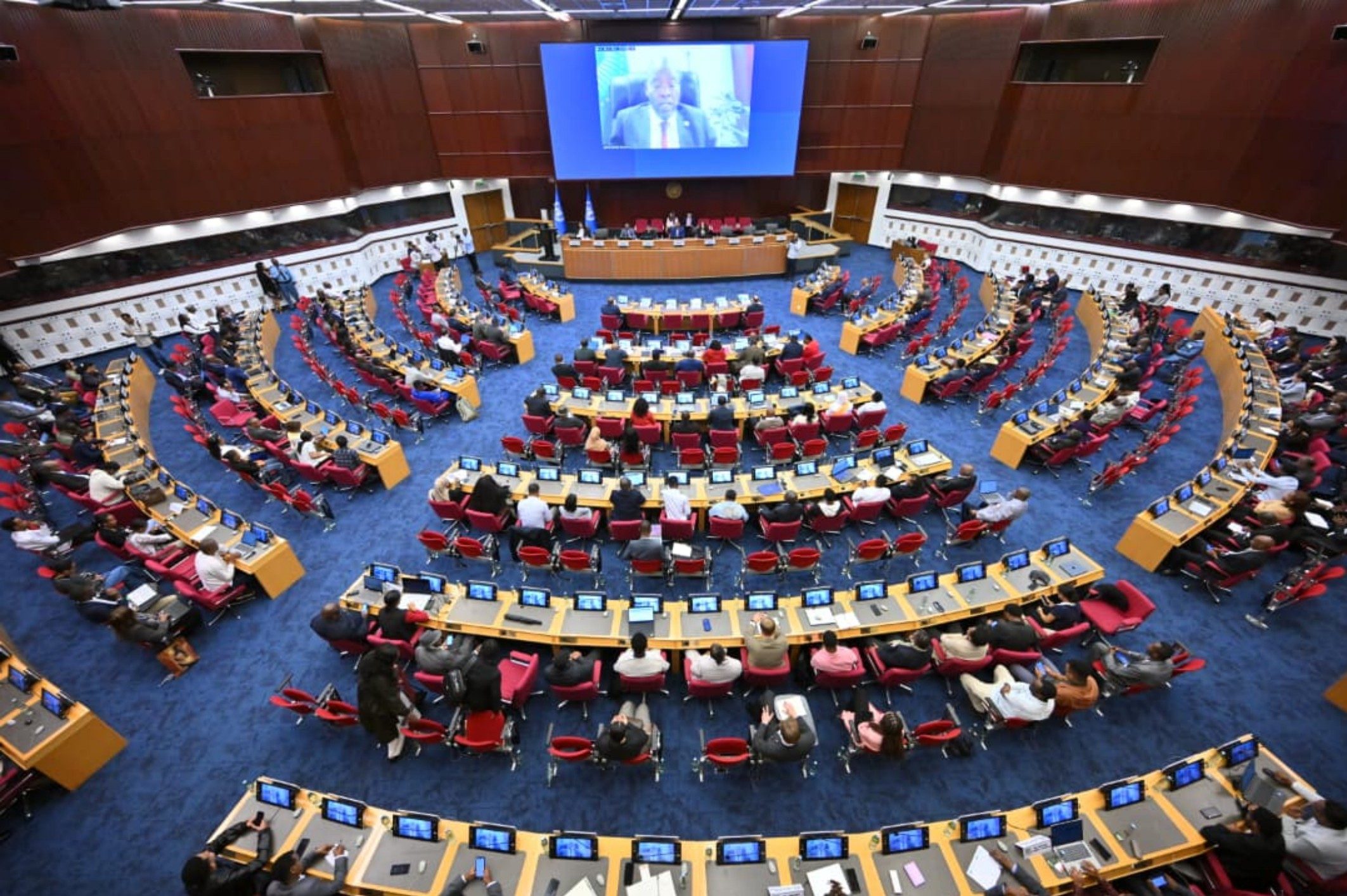
Addis Ababa, Ethiopia – 9 September 2026 – The Eastern and Southern Africa Small-Scale Farmers Forum (ESAFF) participated in the Fourteenth Conference on Climate Change and Development in Africa (CCDA-XIV), held from 7–9 September 2026 at the United Nations Conference Centre in Addis Ababa, Ethiopia.
Convened under the theme “From Pledges to Implementation: The Belém–Antalya–Addis Roadmap,” the conference brought together African governments, civil society organisations, development partners, researchers, climate experts, financial institutions and other stakeholders to discuss how Africa can accelerate the implementation of its climate commitments.
ESAFF participated in the conference to ensure that the realities, priorities and solutions of smallholder farmers remain visible within Africa’s climate discussions, particularly as the continent prepares for COP31 in Antalya, Türkiye, and looks ahead to COP32 in Addis Ababa, Ethiopia, in 2027.
Moving climate commitments from conference rooms to farms
For millions of smallholder farmers across Africa, climate change is already affecting agricultural production and rural livelihoods through increasingly unpredictable rainfall, droughts, floods, rising temperatures, land degradation, pests and other climate-related shocks.
ESAFF therefore emphasised that the success of Africa’s climate agenda should not only be measured by commitments, strategies and the amount of finance pledged, but by the extent to which implementation improves the resilience and livelihoods of communities on the front line of climate change.
“The transition from pledges to implementation must be visible at the farm and community level. Smallholder farmers need to see climate commitments translated into practical support—better access to climate finance, early-warning information, locally appropriate adaptation solutions and investments that strengthen resilient food systems,” ESAFF emphasised during the conference.
ESAFF further highlighted the importance of strengthening agroecology, farmer-managed seed systems, water and soil conservation, agroforestry, crop diversification and other locally led adaptation approaches that build resilience while protecting biodiversity and farmers’ livelihoods.
Climate finance must reach the last mile
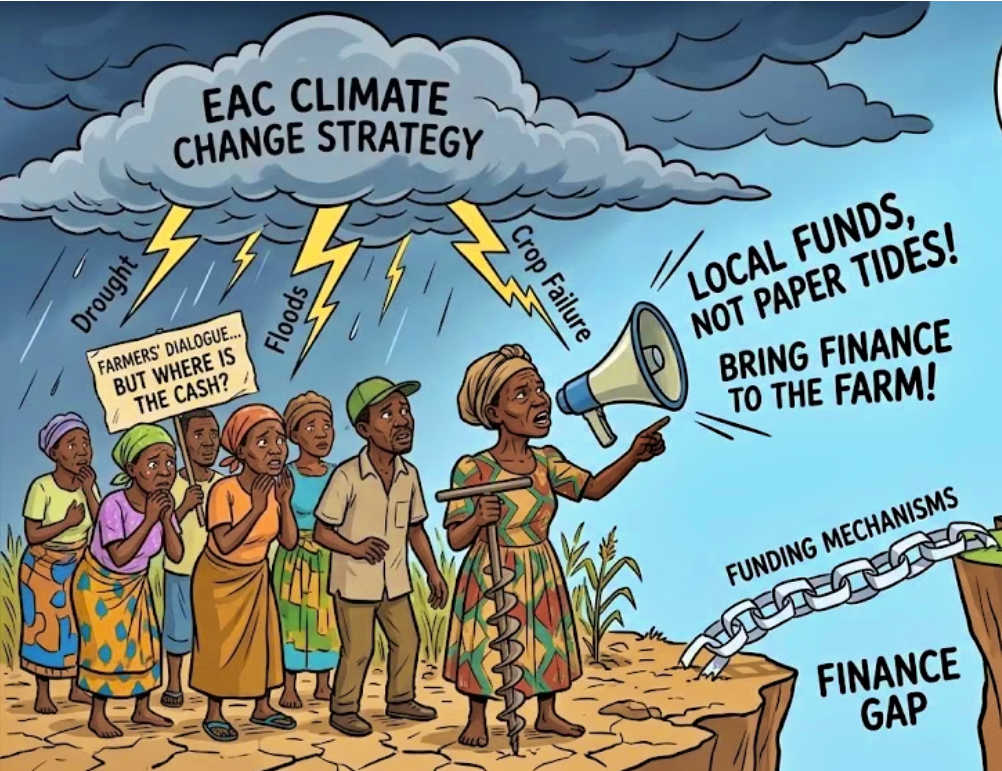
Access to climate finance remains a major concern for smallholder farmers and their organisations. While billions of dollars are discussed and pledged internationally, grassroots farming communities often struggle to access the resources required to implement adaptation measures.
ESAFF called for climate financing mechanisms that are more accessible to farmer organisations, cooperatives and community-based institutions, including increased direct and simplified access to adaptation finance.
Beyond mobilising additional resources, ESAFF stressed the importance of transparency and accountability in tracking climate finance from international and national commitments through to implementation at local and community levels.
Farmers must have a seat at the table
ESAFF also reiterated that smallholder farmers should not only be viewed as beneficiaries of climate programmes. They must be recognised as key actors, knowledge holders and partners in designing, implementing and monitoring climate policies and investments.
This requires creating meaningful spaces for farmer organisations, women and young farmers to participate in national, regional and continental climate decision-making processes.
As countries implement their Nationally Determined Contributions (NDCs), National Adaptation Plans (NAPs) and agricultural and food-system strategies, farmer organisations should be involved in determining priorities, monitoring implementation and assessing whether commitments are delivering results for rural communities.
From Addis Ababa to Antalya and beyond
CCDA-XIV provided an important platform for Africa to consolidate its climate priorities ahead of COP31 and strengthen the continent’s pathway from global commitments towards practical implementation.
ESAFF will continue working with its national member organisations and partners across Eastern and Southern Africa to ensure that farmers’ experiences and recommendations inform national, regional and global climate processes.
As Africa moves along the Belém–Antalya–Addis Roadmap, ESAFF’s message remains clear:
Climate action will only succeed when implementation reaches the last mile. Smallholder farmers must be adequately financed, meaningfully represented and recognised as central actors in building a climate-resilient Africa.