NEWS
Smallholder farmers and civil society organisations across East Africa have called for the EAC Climate Change Strategy and Action Plan 2026–2036 to prioritise direct access to climate finance, meaningful farmer participation and practical climate action at community level.
The demands emerged during the EAC Farmers’ Regional Dialogue on Climate Change 2026, organised virtually by ESAFF, bringing together more than 300 participants, including farmers, policymakers, researchers, civil society organisations and development partners.
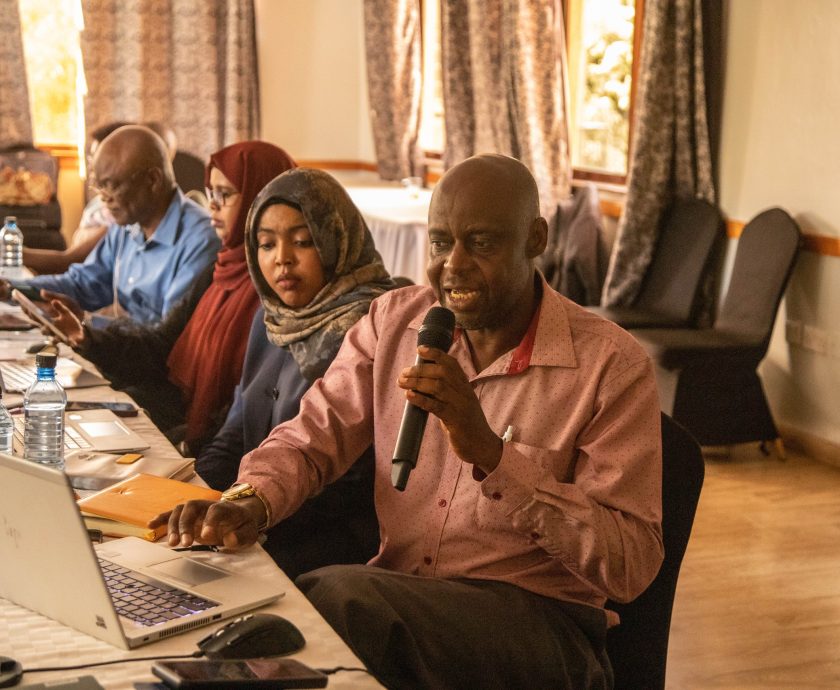
Anastasia Namululi from Uganda emphasised the importance of establishing regional financing mechanisms that can reach local governments, cooperatives, women and young people.
Faith Ngige of PACJA highlighted the persistent gap between international climate finance commitments and the funding reaching farmers. She advocated for accessible financing through farmer organisations, cooperatives, savings and credit associations and other local institutions.
Presenting the farmers’ and civil society position, Hakim Baliraine welcomed the proposed EAC strategy’s recognition of agroecology, climate-resilient agriculture, indigenous knowledge, early warning systems and climate finance.
However, he emphasised that farmers must be recognised as active partners, innovators and knowledge holders rather than simply beneficiaries of climate interventions.
The recommendations included alignment with the CAADP Kampala Declaration, stronger farmer participation, locally led adaptation, increased domestic adaptation financing, improved early warning systems and practical climate information services.
Participants also advocated for stronger protections for farmers’ land rights, support for farmer-managed seed systems, responsible use of digital technologies and community participation in monitoring climate budgets.
They further proposed establishing an annual EAC Farmers’ Climate Dialogue to strengthen sustained engagement between farmers, EAC institutions and Partner States.
Responding on behalf of the EAC Secretariat, Dismas Mwikila confirmed that the recommendations would be submitted to the technical consultants and drafting team for consideration during the strategy’s development.
The dialogue included government representatives from all eight EAC Partner States and preceded the regional validation meeting scheduled for Machakos, Kenya, at the end of September 2026.